Fractal windows, model drift, and 264 satellites
Four finds this week and no new essays. They run from how I organize windows on my Mac to how many satellites took pictures of my house in the last seven days. There's also one for anyone with kids who are always folding paper airplanes.
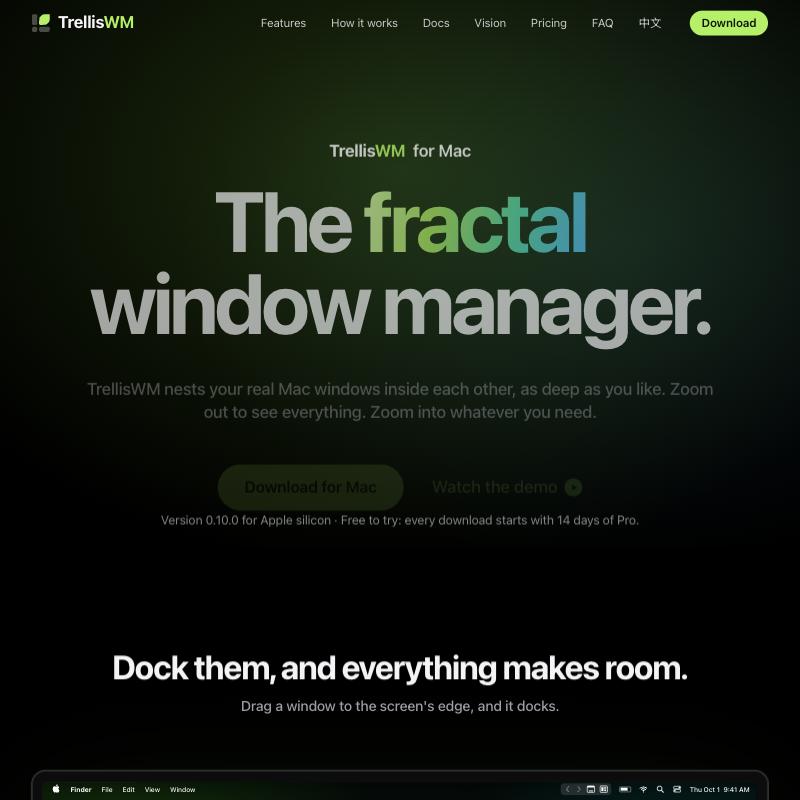
TrellisWM, a fractal window manager for Mac
TrellisWM is a Mac window manager that nests your real windows inside each other, as deep as you want. You zoom out to see everything and zoom in to whatever you're working on. Docking works by dragging a window onto another window's edge, or onto the screen edge to sit beside everything in view.
I use AeroSpace right now because it makes spinning up a bunch of desktops fast and easy. The tradeoff is that it's onerous to set up and keep managed. That's the part I'd love to get rid of.
So I'm curious whether a fractal approach could be the better answer. Spaces inside spaces, arranged by dragging instead of configuring, sounds like it could give me the organization without the upkeep. I haven't tried it yet, but if you've fought with tiling window managers on a Mac, this is worth a look.

Did Opus 5.5 change under the hood on November 3?
Shane Melaugh had Gemini 4 Argon analyze 1,400 of his Claude Code sessions and says it found a sharp shift in how Opus 5.5 reasons starting November 3, with no change to the model name.
I've been super happy with Opus 5.5. I think it's one of the best models released in terms of capabilities, though still too expensive for API use, in my opinion. So if this turns out to be true, it would be very disappointing.
It's one tweet and one person's sessions, so I'm treating it as a question worth watching, not a conclusion. But the method is interesting: using one model to audit another across a big pile of real work logs is a practical way to notice drift you might otherwise just chalk up to a bad day.
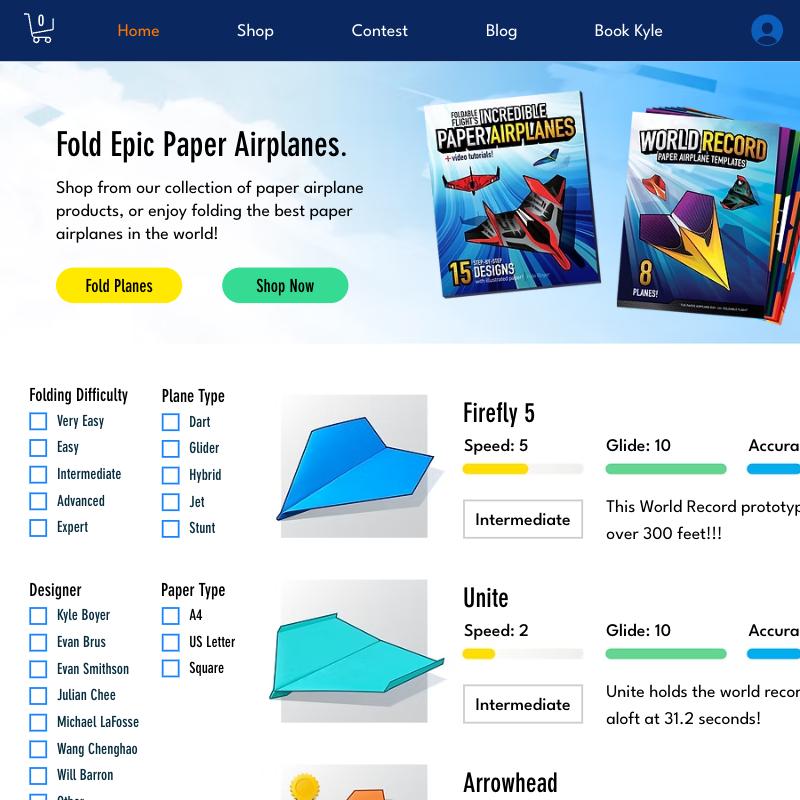
A searchable database of paper airplanes, with video tutorials
Foldable Flight is a database of more than a hundred paper airplane designs, each with a video tutorial for folding it. My kids love paper airplanes and are always trying to make new ones that fly crazier and faster, so this is great.
What makes it more than a list is the filtering. You can sort by folding difficulty, from very easy to expert, by plane type (dart, glider, stunt, jet), by designer, and by paper size. Every plane gets rated on speed, glide and accuracy, which turns picking one into a small design conversation: do you want something that rips across the room, or something that hangs in the air?
Some of these are serious. One design held the world record for time aloft at 31.2 seconds, and a number of others came from kids who won the site's design contest. It's a nice reminder that the people pushing the craft forward include a lot of young folders.

Every satellite that photographed your house this week
Watched.earth is a simple tool: type in any place on Earth and it shows every satellite that passed over it in the last seven days, along with the actual pictures they took.
I tried my house first, obviously. It was something like 264 satellites in a single week. Crazy. I knew in the abstract that there's a lot of imaging capacity in orbit, but seeing a count makes it seem overkill.
That number is only going to grow exponentially as launches get cheaper and more companies put sensors up there.